
Sure, LuckyLand enjoys a good tiered perks system including 300 profile
2 září, 2026Blackjack, electronic poker, and you will certain harbors (96%+ RTP) are among the ideal choice
2 září, 2026
The Role of Luck in Gaming
Luck is often perceived as a critical factor that significantly shapes the outcomes at gaming tables. For many players, the excitement of entering a game is not just about strategy but also about the serendipitous moments that can alter their fortunes. In the world of casinos, luck can be as unpredictable as visiting an nz casino online , where players hope for that stroke of good fortune. Luck, in essence, is that intangible element that can sway results in favor of one player over another, regardless of their skill level or preparation. Whether it’s striking a favorable hand in poker or hitting a jackpot on a slot machine, the element of chance plays a pivotal role in determining success.
The influence of luck is particularly evident in games that do not solely rely on player skill, such as roulette and slot machines. In these instances, outcomes are entirely dictated by random number generation, meaning that even the most seasoned players remain at the mercy of fate. A player might have a comprehensive understanding of the game mechanics and odds, yet ultimately their success hinges on outcomes that are beyond their control. This level of unpredictability can create an exhilarating atmosphere that draws many to gaming tables.
Despite the critical influence of luck, it is essential to recognize that it does not operate in isolation. While luck can provide opportunities for success, the ability to embrace these opportunities can often stem from a player’s experience, instincts, and decision-making skills. Therefore, while luck is a significant factor, it intertwines with a player’s knowledge and practice to create a holistic approach to gaming success. This synergy between luck and skill is what makes the gaming experience rich and multifaceted.
The Psychological Aspect of Luck
The perception of luck can significantly affect a player’s approach and psychological state while at the gaming table. Players often engage in superstitious behavior, believing that certain rituals or lucky charms can sway luck in their favor. These psychological elements can provide players with confidence, ultimately influencing their decision-making. When players feel „lucky,“ they may take risks they otherwise wouldn’t, which can lead to both significant wins and losses. This psychological phenomenon highlights the intricate relationship between mindset and gambling outcomes.
The mental state of players can also be impacted by how they interpret luck. A player who views themselves as fortunate may experience a boost in self-esteem, which can translate into more aggressive gameplay. Conversely, a player who perceives themselves as unlucky might adopt a more cautious approach, potentially missing out on lucrative opportunities. This psychological dichotomy illustrates how the perception of luck can lead to very different strategies and outcomes, reinforcing the importance of mental framing in gaming.

Additionally, the environment in which gaming takes place can sway players‘ beliefs about luck. For instance, the ambiance of a casino—complete with lights, sounds, and a lively atmosphere—can enhance a player’s perception of luck. The social interactions and the shared experiences of winning can lead to a collective sense of good fortune, influencing individual players to take greater risks in pursuit of success at the gaming table. This communal atmosphere can amplify both the highs and lows of the gaming experience, making every session an emotionally charged adventure.
Luck Versus Skill in Gaming Strategy
The ongoing debate between luck and skill in gaming is a fascinating aspect of the gaming world. In many table games, such as poker or blackjack, skillful play can often mitigate the element of luck. A skilled player can use strategies to manage their bankroll, read opponents, and make calculated risks, which can enhance their chances of winning despite the unpredictable nature of luck. This blend indicates that while luck is necessary, it is the skillful execution that often determines success in the long run.
However, it is crucial to acknowledge that luck will always be a variable in any game. For example, a skilled poker player may consistently win against less experienced players, but they can still encounter a situation where an unlucky draw leads to their defeat. This dynamic underscores the necessity of understanding that skill can improve one’s odds but cannot entirely eliminate the risks associated with chance. Recognizing this interplay allows players to develop a balanced approach to their gaming strategies.
In games primarily driven by luck, players often face the challenge of reconciling their desires for control with the randomness of outcomes. For instance, while betting strategies can be employed, outcomes in games like roulette are inherently unpredictable. Players must learn to balance their expectations, knowing that while skillful choices may enhance enjoyment and engagement, the role of luck is a relentless factor that can’t be ignored. This acceptance fosters resilience and adaptability in players as they navigate the unpredictable tides of chance.
Managing Expectations with Luck
One of the most critical aspects of engaging in gaming is managing expectations surrounding luck. Understanding that luck can fluctuate dramatically not only helps players navigate their experiences but also minimizes potential disappointments. Players who maintain realistic expectations are more likely to enjoy the process of gaming, regardless of the outcomes. This mindset fosters a more enjoyable experience as players learn to appreciate the thrill of the game rather than solely focusing on winning. Acknowledging the transient nature of luck can lead to a more fulfilling engagement with games.
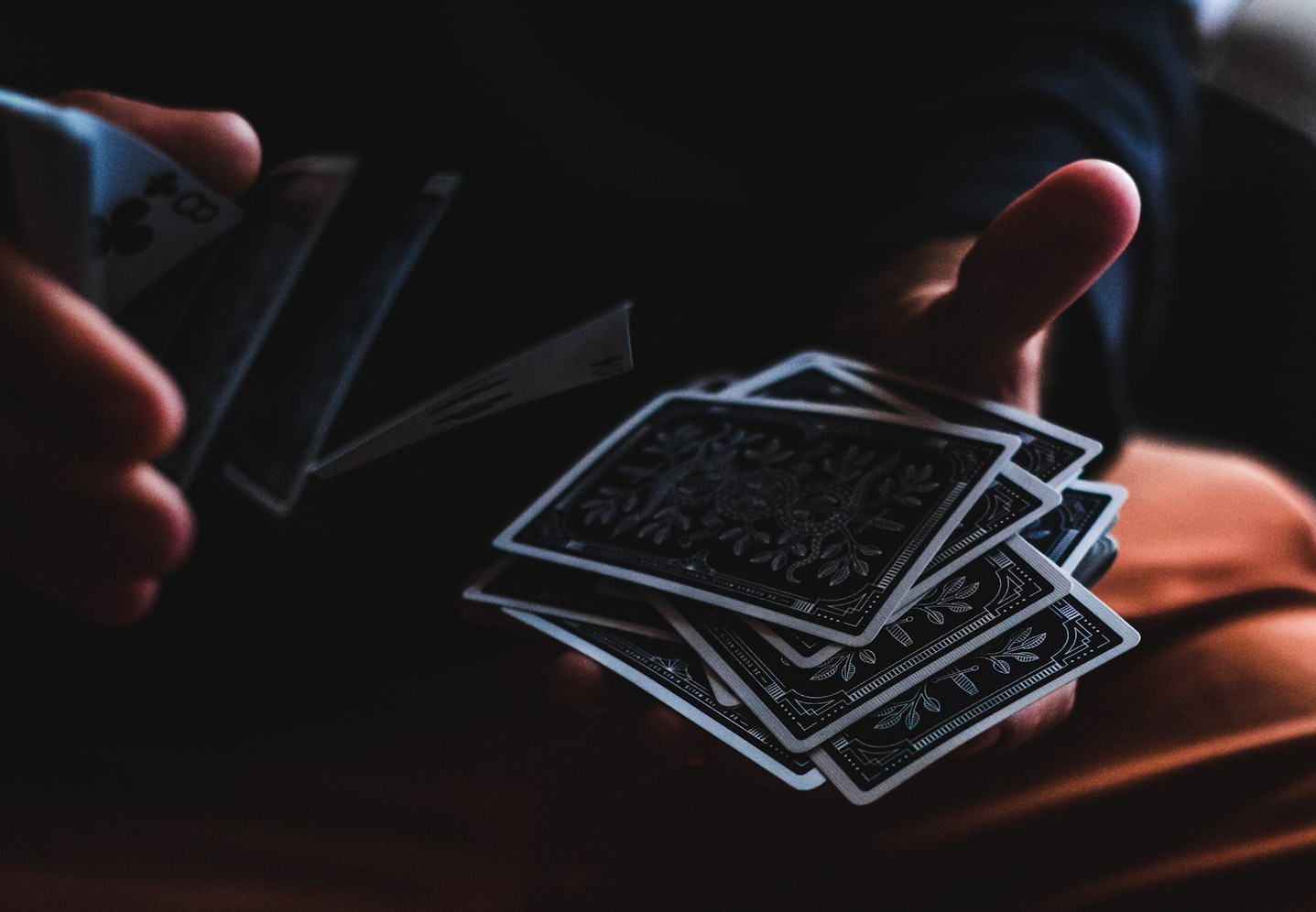
Moreover, players can enhance their experiences by recognizing the role of luck as part of the adventure. Celebrating small wins and embracing losses as learning opportunities can shift the focus toward enjoyment rather than merely assessing success through monetary gain. This shift can lead to a more fulfilling gaming experience, where the excitement and camaraderie of playing take precedence over the often transient nature of luck. Building a community around shared experiences can enrich the gaming journey.
Ultimately, managing expectations allows players to separate identity from outcomes. When players view luck as merely one component of the gaming experience, they can engage with games more freely, understanding that both losses and victories are part of the journey. This awareness can help to cultivate a more compassionate environment, fostering supportive interactions among players rather than a solely competitive atmosphere. Such an approach can lead to deeper connections and a more enriching gaming experience overall.
Discovering More About Luck and Gaming
For those eager to delve deeper into the fascinating relationship between luck and success at the gaming table, an extensive wealth of resources and knowledge awaits. Many dedicated platforms and communities offer insights into strategies, gaming psychology, and the unpredictable nature of luck, all designed to enhance the gaming experience. Engaging with these resources can offer perspectives that help players improve their games while also understanding the complexities of luck. This exploration can be a pathway to enriching one’s gaming skills and mindset.
Exploring various gaming forums and educational articles can equip players with the necessary tools to navigate their paths more effectively. By sharing experiences and insights, players can learn from one another, creating a collaborative environment that highlights both the skill and luck aspects of gaming. Such interactions foster a strong sense of community, allowing players to celebrate their shared experiences and navigate the highs and lows of gaming together. This communal knowledge can empower players to approach the gaming table with greater confidence and insight.
Ultimately, an understanding of luck’s role at the gaming table opens up a world of possibilities for players. Through the right mindset, education, and community engagement, players can cultivate a deeper appreciation for the role luck plays and how it can enhance their overall gaming experience. Together, these elements create a rich tapestry of exploration within the world of gaming, inviting new players and seasoned enthusiasts alike to engage with the thrilling unpredictability that luck brings. Embracing this journey can lead to personal growth and a more profound connection with the gaming world.
